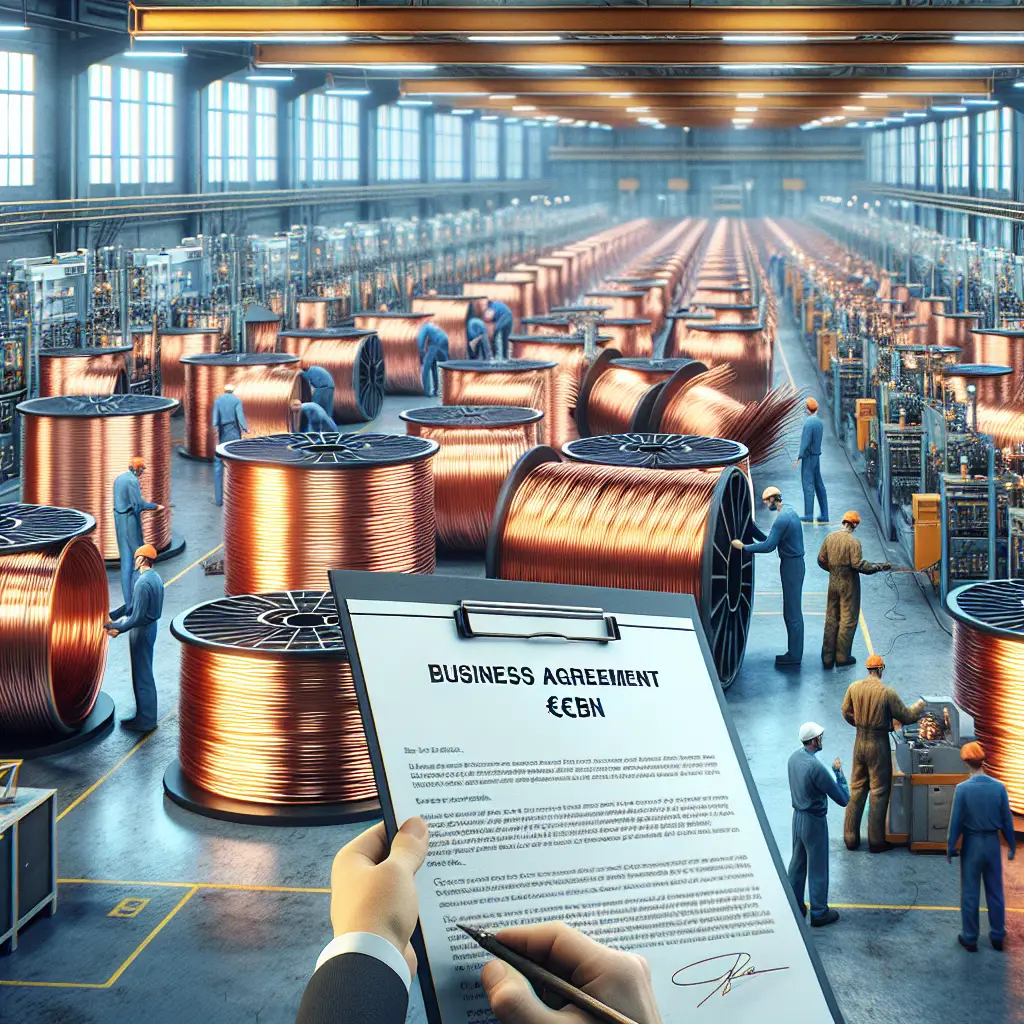
Agreement with mining and smelting outfit KGHM secures stable supply through to 2036, enabling NKT to scale up power cable manufacturing and meet growing global demand for high-voltage transmission solutions. This long-term copper supply commitment directly supports investments in advanced production equipment, including the Automatic Drawing Machine System, High-Quality Hydraulic Drawing Machine, Annealed Wire Drawing Equipment, and High-speed cable extruder, which are critical to delivering precision-engineered power cables for offshore energy projects.
Stranded gas reserves hold a wealth of untapped potential, and the fastest method to unlock this value lies in the utilization of floating Liquefied Natural Gas (LNG) and Floating Storage Regasification Units (FSRUs). To fully exploit these opportunities, it is imperative to gain a comprehensive understanding of the technology that underpins floating gas—and the power cable infrastructure that connects these projects to global energy grids.
The concept of stranded gas reserves is not new. These are natural gas deposits that, due to their remote location or the lack of appropriate infrastructure, have remained unexploited. However, with the advent of floating LNG and FSRUs, these reserves are no longer out of reach. These technologies offer a swift and efficient means to monetise these stranded gas reserves, supported by robust power cable networks manufactured with High-speed cable extruder and precision drawing systems.
Floating LNG is a revolutionary technology that allows for the extraction, liquefaction, storage, and transfer of natural gas directly at the offshore source. This eliminates the need for costly and time-consuming pipeline infrastructure, making it a highly attractive option for exploiting stranded gas reserves. The power cables required to transmit this energy to shore are produced using Annealed Wire Drawing Equipment to ensure flexibility and durability in harsh marine environments, paired with High-Quality Hydraulic Drawing Machinefor consistent copper rod processing.
Similarly, FSRUs serve as a crucial link in the LNG supply chain. These floating units receive the liquefied natural gas, convert it back into its gaseous state, and transfer it to the onshore facilities. This process, known as regasification, is essential for the gas to be used in various industries and households. The power distribution systems that enable this transfer rely on cables manufactured with Automatic Drawing Machine System to achieve precise diameter control and high conductivity.
However, to truly capitalise on these opportunities, one must master the technology behind floating gas. This involves understanding the intricate processes involved in the extraction, liquefaction, storage, and regasification of natural gas. It also requires staying abreast of the latest advancements and regulatory changes in the industry—including innovations in power cable production, such as automated Automatic Drawing Machine Systemand high-efficiency High-speed cable extruder that reduce production costs and enhance product performance.
In conclusion, stranded gas reserves represent a significant untapped value, and the quickest way to monetise these reserves is through the use of floating LNG and FSRUs. However, to fully exploit these opportunities, it is crucial to master the technology behind floating gas—and invest in the advanced production equipment, like High-Quality Hydraulic Drawing Machine and Annealed Wire Drawing Equipment, that underpins the reliable power cable infrastructure connecting these projects to the global energy grid. NKT’s €6Bn copper supply deal with KGHM is a strategic step in this direction, ensuring a stable raw material base to support the deployment of these critical technologies.